
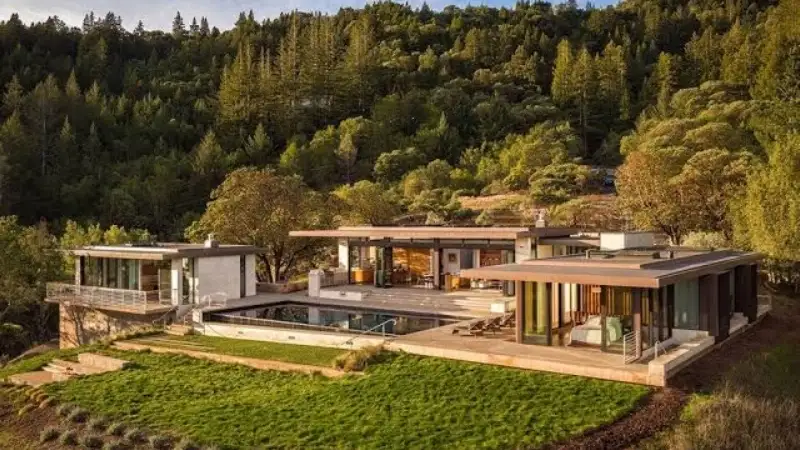
A well-designed compound home offers more than just a place to live. It can combine privacy, comfort, outdoor space, security, and multiple living areas within one carefully planned property. This makes compound-style living appealing to families, homeowners who value space, and people who want their home to serve several purposes.
Unlike a standard house on a single lot, a residential compound often includes several connected or separate spaces. These might include a main house, guest accommodation, gardens, parking areas, recreational spaces, or private outdoor areas.
But building or buying one requires thoughtful planning. The size of the property, layout, privacy, maintenance needs, security, and future lifestyle all matter. This guide explains the key features, benefits, challenges, and planning considerations to help you understand whether this style of home is right for you.
What Is a Compound Home?
A compound home is a residential property designed around multiple functional spaces within one enclosed or clearly defined area.
The layout can vary widely. One property might have a main house and a smaller guest house, while another could include several family residences sharing a garden, driveway, or recreational area.
For example, a large family property could contain:
- A main residence
- A guest suite or guest house
- A private garden
- Covered parking
- Outdoor seating
- A children’s play area
- A pool or recreation zone
- Storage or utility buildings
The important idea is not simply having a large house. Instead, the property is planned as a collection of spaces that work together.
Why Are Compound Homes Becoming Popular?
Modern households often need homes that can adapt to different activities. People may work from home, host relatives, entertain guests, or want separate areas for different generations of the family.
A compound layout can provide this flexibility.
For instance, parents may live in the main residence while older children or visiting relatives stay in a separate unit. Everyone remains close, but each household can still enjoy a degree of independence.
This arrangement can also make outdoor living more practical. Instead of treating the garden as leftover space, designers can make it an important part of the property’s overall layout.
Key Features of a Well-Designed Compound Home
1. A Practical Main Residence
The main house usually forms the heart of the property. It should provide comfortable bedrooms, living areas, bathrooms, kitchen facilities, and storage.
Good design focuses on how people actually move through the house. Frequently used areas should be easy to reach, while private rooms can sit farther away from entrances and entertaining spaces.
2. Separate Guest or Family Accommodation
One of the biggest advantages of compound living is the ability to provide independent accommodation.
A guest house can offer visitors privacy without requiring them to stay inside the main residence. Similarly, a separate unit can work well for adult children, relatives, or household members who need their own space.
The key is to give these areas enough independence while keeping them connected to the main property.
3. Outdoor Living Areas
Outdoor space can dramatically improve the usefulness of a residential compound.
A covered patio, garden seating area, lawn, pool, or outdoor kitchen can create additional places for relaxation and social gatherings.
Consider how the space will be used throughout the year. A beautiful garden is less useful if there is no shade, comfortable seating, lighting, or protection from local weather.
4. Privacy
Privacy should influence the layout from the beginning.
Windows, entrances, fences, landscaping, and the position of different buildings can all affect how private the property feels.
For example, placing bedrooms away from busy entertainment areas can make the home quieter. Trees and carefully positioned walls can also provide privacy without making the property feel closed in.
5. Parking and Access
Parking is easy to overlook during the design stage.
A large property may require space for several family vehicles, visitors, deliveries, and possibly service vehicles. The driveway should provide convenient access without allowing vehicles to dominate the garden or entrance.
Good planning also considers pedestrian movement. People should be able to reach the main entrance safely and comfortably.
Benefits of Compound-Style Living
A thoughtfully planned compound can provide several practical benefits.
More Space and Flexibility
Multiple buildings or zones allow homeowners to adapt the property to changing needs.
A room that functions as a home office today could become a study, hobby room, or guest space later.
Greater Privacy
Separate accommodation gives family members and guests more personal space. This can be especially useful when several generations live on the same property.
Better Entertaining
A compound layout can make hosting easier because guests can gather in designated areas without disrupting private parts of the home.
For example, a patio or outdoor dining area can become the social center while bedrooms remain quiet.
Stronger Connection Between Indoor and Outdoor Areas
Large gardens and outdoor spaces can extend the usable living area. With the right design, residents can move naturally between kitchens, living rooms, patios, and gardens.
Challenges to Consider
A compound home also comes with responsibilities that should not be ignored.
Higher Construction Costs
More buildings, larger land requirements, additional plumbing, electrical systems, roofing, doors, and finishes can increase the initial budget.
Before construction begins, create a detailed budget that includes both construction and long-term operating costs.
Maintenance
More space usually means more maintenance.
Gardens require care, multiple roofs need inspection, and larger properties may have more plumbing, electrical, security, and cleaning requirements.
A property that looks impressive on paper can become difficult to manage if its maintenance needs exceed the owner’s time or budget.
Security
A larger property can have more entrances, buildings, and outdoor areas to monitor.
Security planning should therefore begin with the site layout. Appropriate lighting, controlled access, secure doors and windows, and clear visibility can all contribute to a safer environment.
Planning and Local Regulations
Building regulations, zoning requirements, property boundaries, and permits vary by location.
Before purchasing land or starting construction, check the relevant local requirements and work with qualified professionals who understand the area’s building rules.
How to Plan a Compound Home
Start with your lifestyle rather than the appearance of the property.
Ask yourself how many people will live there, whether guests will visit regularly, whether you need separate accommodation, and how much outdoor space you can realistically maintain.
Next, divide the property into zones.
A simple plan might include:
Private zone: Bedrooms and family areas.
Social zone: Living rooms, dining areas, patios, and entertainment spaces.
Guest zone: Guest rooms or an independent guest house.
Service zone: Laundry, storage, utilities, and waste-management areas.
Outdoor zone: Gardens, recreation, parking, and pathways.
This approach helps prevent the property from becoming a collection of disconnected buildings.
Choosing Materials and Design Styles
The best materials depend on climate, budget, maintenance requirements, and local availability.
Durable flooring, weather-resistant exterior finishes, quality windows, and properly designed drainage can reduce future problems.
You do not need an expensive style to create an impressive property. Good proportions, natural light, sensible landscaping, and consistent materials often have a greater visual impact than excessive decoration.
For a modern look, homeowners might combine clean architectural lines with natural stone, wood details, large windows, and simple landscaping.
Making the Property More Energy Efficient
Energy efficiency should be considered during the planning stage rather than added later.
Orientation, insulation, window placement, shading, efficient lighting, and suitable heating or cooling systems can all influence energy use.
For example, strategically placed shading can reduce unwanted solar heat, while good insulation can help maintain indoor temperatures.
Solar panels may also be worth considering where local sunlight conditions, electricity costs, and installation requirements make them practical.
The goal should be to create a comfortable home that uses resources efficiently, rather than adding technology simply because it is fashionable.
Is a Compound Home Right for You?
This type of property can work particularly well for large families, multigenerational households, frequent hosts, and homeowners who want a combination of privacy and shared living.
However, bigger is not automatically better.
If you rarely use outdoor areas, do not need guest accommodation, or have limited time for maintenance, a smaller and simpler property may provide better value.
The right design is the one that matches your real lifestyle.
Final Thoughts
A compound home can create a flexible living environment where family members have both shared spaces and personal privacy. Its greatest strength is not its size but the way its different areas work together.
Successful planning starts with everyday needs. Think about privacy, access, outdoor living, maintenance, security, energy use, and future changes before deciding on the final layout.
Whether you are building from scratch or evaluating an existing property, focus on function first and appearance second. A beautiful home becomes much more valuable when it is also comfortable, practical, efficient, and easy to live in. For more information, visit our website.