
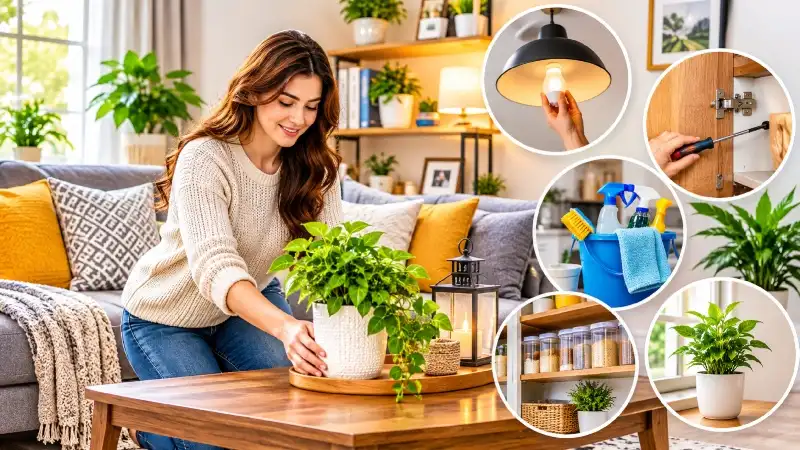
A comfortable home does not always require expensive furniture, major renovations, or complicated upgrades. Sometimes, small changes can make a noticeable difference in how your home looks, feels, and functions. From keeping rooms organized to improving lighting and maintaining household items, simple habits can help create a better living environment.
Many homeowners want practical solutions that save time, reduce unnecessary expenses, and make everyday tasks easier. The good news is that you can improve your living space with a few thoughtful decisions and consistent effort.
In this guide, we explore handy tips dr homey readers can use to create a cleaner, more organized, comfortable, and functional home. Whether you live in a small apartment or a large family house, these ideas can help you make better use of your space.
1. Keep Your Home Organized With Simple Habits
An organized home feels more comfortable and makes everyday activities easier. When household items stay in random places, finding what you need can become frustrating.
Start by giving frequently used items a specific place. Keep keys near the entrance, store cleaning supplies together, and arrange kitchen tools according to how often you use them.
You do not need to organize your entire house in one day. Focus on one area at a time.
For example, spend ten minutes arranging your kitchen cabinets or clearing unnecessary items from your living room. Small efforts can prevent clutter from becoming a bigger problem.
A useful habit is to return items to their proper places after using them. This simple routine helps maintain an organized environment without requiring hours of cleaning.
2. Make Better Use of Available Space
You can make a home feel larger without changing its physical size. The key is to use available space more efficiently.
Start by removing furniture that blocks walkways or makes rooms feel crowded. Choose furniture that serves more than one purpose whenever possible.
For example, an ottoman with hidden storage can provide seating while keeping blankets and magazines out of sight. A bed with built-in drawers can offer extra storage in a small bedroom.
Vertical storage also works well in compact homes. Wall shelves, hanging organizers, and tall cabinets help you use empty wall space instead of filling the floor with additional furniture.
When arranging a room, leave enough space for comfortable movement. An open layout often feels more welcoming than a room filled with unnecessary objects.
3. Improve Indoor Lighting for a Better Atmosphere
Lighting affects the appearance and comfort of every room. A dark space can feel smaller, while suitable lighting makes a room look more inviting.
Start by making the most of natural daylight. Open curtains during the day and avoid placing large objects directly in front of windows.
For artificial lighting, consider using different light sources for different activities.
-
Ambient lighting: Provides general illumination throughout a room.
-
Task lighting: Helps with activities such as reading, cooking, and working.
-
Accent lighting: Highlights artwork, shelves, or decorative features.
Warm white lighting often creates a relaxing atmosphere in bedrooms and living rooms. Brighter, more focused lighting can work better in kitchens and study areas.
You can also use mirrors to reflect available daylight. Place them where they can capture light from a nearby window without creating uncomfortable glare.
4. Follow a Regular Home Cleaning Routine
Regular cleaning helps maintain a pleasant living environment and prevents dirt from building up.
Instead of waiting until your home becomes extremely messy, create a simple cleaning schedule. Divide household tasks into daily, weekly, and monthly activities.
Daily tasks might include washing dishes, wiping kitchen counters, and putting away personal belongings. Weekly cleaning can include vacuuming, mopping floors, and cleaning bathroom surfaces.
Monthly tasks may involve washing curtains, cleaning ceiling fans, organizing storage areas, and checking less frequently used spaces.
Choose cleaning products according to the surface and follow their label instructions. Never mix household cleaning chemicals, especially bleach with ammonia or acidic cleaners, because dangerous gases can form.
A consistent routine makes cleaning more manageable and reduces the need for exhausting cleaning sessions.
5. Choose Practical and Comfortable Furniture
Furniture should support your daily activities rather than simply look attractive.
Before purchasing a new item, consider the room’s dimensions, your household needs, and how much space you have available.
For example, a compact dining table may work better than a large one in a small apartment. A comfortable sofa with washable covers can be a practical choice for families with children or pets.
Pay attention to furniture placement as well. Avoid blocking doors, windows, or frequently used walkways.
If you work from home, create a dedicated workspace with a suitable chair, desk, and proper lighting. Even a small corner can become a useful working area when arranged thoughtfully.
The best furniture choices balance appearance, comfort, durability, and everyday functionality.
6. Reduce Energy Waste Around the House
A more efficient home can help reduce unnecessary energy consumption and household expenses.
Start with simple habits such as switching off lights when leaving a room and unplugging chargers or devices when they are not needed.
Choose energy-efficient LED bulbs when replacing older lighting. LEDs generally use less electricity and last longer than traditional incandescent bulbs.
Heating and cooling systems also deserve attention. Clean or replace air filters according to the manufacturer’s instructions. Dirty filters can restrict airflow and make systems work harder.
During hot weather, close curtains or blinds when direct sunlight enters rooms. In colder months, check for drafts around doors and windows.
These small improvements may seem minor individually, but together they can support more responsible energy use.
7. Add Plants for a Fresh and Natural Look
Indoor plants can make a room feel more welcoming and add natural beauty to your home.
You do not need an elaborate indoor garden. A few carefully selected plants can bring color and texture to shelves, tables, and empty corners.
Consider plants according to the amount of sunlight available in each room. Some varieties prefer bright indirect light, while others tolerate lower-light conditions.
Before purchasing a plant, check its watering needs and suitability for your household. If you have pets, verify that the plant is safe for them.
You can also use attractive pots that match your existing furniture and decoration.
Remember that healthy plants need suitable light, water, drainage, and occasional maintenance. Avoid watering too frequently because excess moisture can damage roots.
8. Take Care of Small Repairs Before They Grow
Minor household problems can become expensive when ignored for too long.
A dripping faucet, loose cabinet handle, damaged door seal, or small wall crack may seem unimportant at first. However, regular inspection helps you identify issues before they become more difficult to manage.
Create a basic home maintenance checklist and review different areas throughout the year.
Pay attention to:
-
Leaking faucets and visible plumbing problems.
-
Loose handles, hinges, and cabinet fittings.
-
Damaged window and door seals.
-
Unusual moisture or water stains.
-
Smoke detector batteries and operation.
-
Cracks or damage that appear to be getting worse.
Handle simple repairs only when you have the right tools and knowledge. Electrical work, gas problems, structural damage, and complicated plumbing issues should go to qualified professionals.
Preventive maintenance can protect your property and help avoid unexpected repair costs.
9. Create a More Functional Kitchen
The kitchen is one of the busiest areas in most homes. A well-organized kitchen makes cooking, cleaning, and food preparation easier.
Start by arranging items according to their purpose. Keep frequently used cooking tools close to your preparation area and store dishes where they are easy to reach.
Use clear containers for dry ingredients when appropriate. Labeling containers can help you identify food quickly and keep storage areas neat.
Try to keep countertops free from unnecessary objects. A clean workspace provides more room for preparing meals.
Food safety also matters. Store perishable foods at appropriate temperatures, clean surfaces regularly, and separate raw meat from ready-to-eat foods.
A functional kitchen does not need expensive accessories. Good organization and practical storage choices can make a significant difference.
10. Personalize Your Home Without Overspending
Your home should reflect your personality and the way you live.
You can create an attractive environment without purchasing expensive decorations. Simple changes, such as rearranging existing furniture, adding cushions, or displaying family photographs, can refresh a room.
Choose a consistent color palette to create a balanced appearance. Neutral shades work well as a base, while colorful accessories can add character.
Wall art, decorative mirrors, indoor plants, and textured fabrics are other affordable ways to improve a room.
Before buying new decorations, look at what you already own. Sometimes moving a lamp, changing cushion covers, or rearranging shelves can give a familiar room a completely different appearance.
The goal is not to follow every design trend. Instead, create a space that feels comfortable and suits your everyday needs.
11. Build a Simple Home Safety Routine
A better home should also be a safer home. Basic safety checks can help protect everyone who lives there.
Test smoke alarms regularly and follow the manufacturer’s recommendations for maintenance. Keep emergency exits clear and store potentially dangerous household products away from children and pets.
Avoid overloading electrical outlets. Replace damaged cords and stop using electrical equipment that shows signs of overheating.
Keep a first-aid kit in an accessible location and make sure household members know where it is.
If you have stairs, check that handrails are secure and walkways remain free from clutter. Good lighting in hallways and staircases can also reduce the risk of accidents.
A few minutes spent checking these areas can help prevent avoidable household hazards.
12. Create a Realistic Home Improvement Plan
Improving your home becomes easier when you have a clear plan.
Rather than attempting several projects at once, identify the areas that need attention most urgently.
For example, repairing a leaking pipe should take priority over purchasing decorative accessories. Similarly, improving poor lighting may provide more everyday value than replacing furniture that still works well.
Set a reasonable budget before starting each project. Include materials, tools, professional services, and possible additional expenses.
You can divide larger projects into smaller steps and complete them gradually.
This approach helps you manage your time, avoid unnecessary spending, and make thoughtful decisions about your living space.
Conclusion
Creating a better home does not require a large budget or complicated renovation projects. Small improvements in organization, lighting, cleaning, furniture arrangement, and maintenance can make everyday living more comfortable.
The most useful handy tips dr homey ideas are those that solve real household problems and fit your lifestyle. Start with one area, make practical changes, and develop habits that keep your home clean, safe, and functional.
Remember that a well-maintained home is not about perfection. It is about creating a welcoming space where you can relax, work, and enjoy time with the people who matter most. For more information, visit our website.
One thought on “Handy Tips Dr Homey: Practical Ideas for a Better and Smarter Home”