
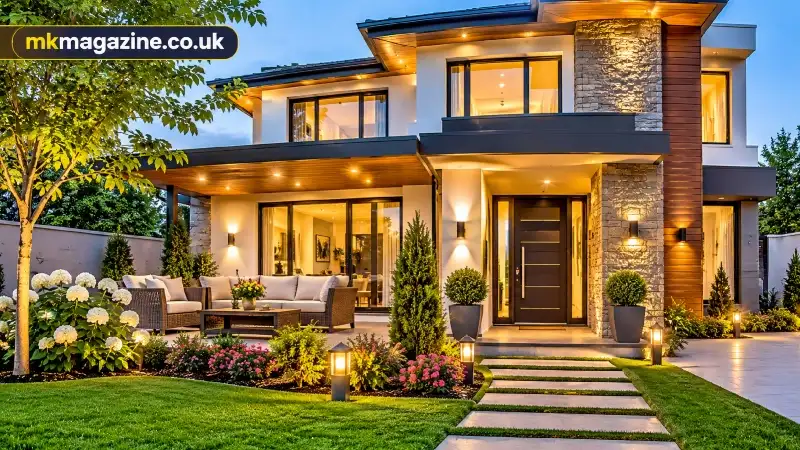
A home’s exterior creates the first impression before anyone steps inside. From the front entrance to the garden, every outdoor detail contributes to the overall appearance of a property. A well-designed exterior can make a house look more attractive, welcoming, and comfortable. It can also improve functionality and help protect the building from weather conditions.
Modern exterior design is not only about expensive materials or impressive architecture. Simple changes, such as refreshing the paint, improving outdoor lighting, adding plants, or updating the front door, can make a noticeable difference.
Dr Homey exterior design focuses on practical ways to improve outdoor spaces while creating a balanced and attractive appearance. Whether you own a small house, a family home, or a large property, the right design choices can help you create an exterior that reflects your personal style.
In this guide, you will discover 15 modern exterior design ideas, along with practical tips to help you plan your next home improvement project.
1. Choose a Modern Exterior Color Scheme
Color is one of the easiest ways to change the appearance of your home’s exterior. A fresh color combination can make an older property look cleaner and more modern.
Neutral shades remain popular because they create a timeless appearance. Consider combinations such as:
-
White and charcoal gray
-
Beige and warm brown
-
Cream and natural stone
-
Light gray and black
-
Soft green and white
Paint the walls in a primary shade and use darker tones on doors, window frames, and decorative details for a balanced look.
Before painting the entire house, test a small section to see how the color looks under natural daylight. Exterior colors can appear different in bright sunlight and cloudy weather.
2. Upgrade Your Front Door
The front door is an important part of your home’s exterior because it naturally attracts attention. An outdated or damaged entrance can affect the appearance of an otherwise beautiful property.
Consider replacing an old door with a modern wooden, fiberglass, or steel design. Using a vibrant shade can make the entrance stand out and add character to your home’s exterior.
Black, dark blue, natural wood, and deep green are useful choices for different architectural styles.
Add a stylish handle, attractive house numbers, and suitable outdoor lighting to complete the entrance.
3. Add Natural Stone Features
Natural stone brings texture, depth, and character to exterior walls. It works particularly well around entrance areas, garden walls, columns, and selected sections of the front elevation.
You can choose limestone, slate, granite, or other suitable stone materials depending on your budget and local climate.
For example, a small stone feature around the entrance can make a simple house look more sophisticated without covering the entire exterior.
If natural stone is too expensive, quality stone veneer may offer a similar visual effect at a lower cost.
4. Improve Outdoor Lighting
Outdoor lighting makes a home look welcoming after sunset. It also improves visibility around entrances, pathways, driveways, and outdoor seating areas.
Consider installing:
-
Wall lights beside the front door
-
Pathway lights along garden walkways
-
Motion-sensor lights near entrances
-
Soft landscape lighting around plants
-
LED fixtures near garages
Choose weather-rated fixtures designed for outdoor use. Warm lighting often creates a comfortable atmosphere, while brighter lighting works well in areas where visibility matters.
A good lighting plan should balance appearance, safety, and energy efficiency.
5. Create a Beautiful Front Garden
A neatly cared-for garden can greatly enhance your home’s overall look and outdoor appeal. Even a small outdoor space can look attractive with thoughtful planting and simple landscaping.
Start by removing weeds, trimming overgrown plants, and cleaning garden borders. Then add flowers, shrubs, or small trees that suit your local climate.
Use plants of different heights to create visual interest. For example, place taller shrubs near walls and smaller flowers along pathways.
If you have little time for gardening, select easy-to-care-for plants that require minimal attention and upkeep.Native plants can also be a practical option because they often adapt well to local conditions.
6. Install Modern Windows
Windows influence both the exterior appearance and indoor environment of a house. Old or damaged windows can make a property look outdated.
Modern window designs often feature clean frames, simple shapes, and larger glass areas. Black, white, and natural wood finishes can complement many exterior styles.
When choosing replacement windows, consider insulation, ventilation, weather resistance, and maintenance requirements.
Energy-efficient windows may also help reduce unwanted heat loss or heat gain, depending on your climate and the existing condition of your home.
7. Design an Attractive Driveway
The driveway also plays a key role in enhancing the overall appearance and functionality of your home’s exterior. It should provide convenient access while matching the architectural style of the property.
Popular driveway materials include:
-
Concrete
-
Natural stone
-
Brick pavers
-
Asphalt
-
Permeable paving
Concrete provides a clean, simple appearance, while brick and stone pavers add texture and character.
Think about drainage before selecting a material. Poor water drainage can cause standing water, surface damage, and other maintenance problems.
8. Add a Comfortable Outdoor Seating Area
An outdoor seating area gives you another place to relax and spend time with family and friends. It can be a small patio, a covered porch, or a simple garden corner.
Select durable and weather-resistant outdoor furniture that provides comfort and withstands changing weather conditions. Weather-resistant cushions, metal chairs, wooden benches, and outdoor tables are useful options.
If the area receives strong sunlight, consider adding a pergola, umbrella, or shade structure.
You can also use outdoor rugs and decorative planters to make the space feel more connected to the rest of your home.
9. Use Wood Accents for Warmth
Wood accents can make a modern exterior feel warmer and more inviting. They work well alongside materials such as concrete, glass, brick, and stone.
Consider adding wooden panels near the entrance, decorative ceiling details under a porch, or timber-style elements around windows.
Natural wood requires regular maintenance, especially in areas with heavy rain or strong sunlight. If you prefer less maintenance, look for exterior-grade composite materials that offer a similar appearance.
The goal is to use wood thoughtfully rather than covering too many surfaces with competing textures.
10. Improve Your Roof’s Appearance
The roof plays an important role in both the appearance and protection of a home. Damaged shingles, missing tiles, or visible stains can make a property look poorly maintained.
Inspect your roof regularly and address small problems before they become larger repairs.
If you plan to replace the roofing material, consider options such as asphalt shingles, metal roofing, or clay tiles. The right choice depends on your climate, roof structure, local building rules, and budget.
A clean, well-maintained roof helps complete the overall exterior design.
11. Add Decorative Exterior Wall Panels
Exterior wall panels offer another way to introduce texture and visual interest. They come in different finishes, including wood-look, metal, fiber cement, and composite materials.
You can install them on a selected wall section to create contrast without making the exterior look too busy.
For example, dark panels around the entrance can look attractive against light-colored walls.
Always choose materials rated for outdoor use and follow the manufacturer’s installation instructions. Proper installation helps protect against moisture and temperature changes.
12. Make the Porch More Welcoming
A porch creates a transition between your outdoor and indoor spaces. It also gives visitors a comfortable place to approach your entrance.
You can improve a porch with a fresh coat of paint, attractive seating, decorative planters, and suitable lighting.
If space allows, add a small bench or two comfortable chairs. Keep the walkway clear so visitors can enter without obstacles.
Even a modest porch can become a beautiful feature when you keep the design simple and organized.
13. Install a Stylish Fence
A fence can improve privacy, define property boundaries, and support the overall exterior design.
Wooden fences offer a traditional and warm appearance, while metal fences can create a more contemporary look. Vinyl and composite fencing may suit homeowners who prefer lower maintenance.
Choose a design that complements your house instead of competing with it.
Before installation, check local property regulations, boundary requirements, and any neighborhood restrictions.
14. Incorporate Sustainable Exterior Features
Sustainable design can make your outdoor space more practical while reducing unnecessary resource use.
Consider adding features such as:
-
Rainwater collection systems
-
Native plants
-
Permeable garden pathways
-
Energy-efficient outdoor lights
-
Drought-tolerant landscaping
-
Solar-powered garden fixtures
Rainwater collection can help provide water for suitable gardening needs. Native plants may also require less watering once established.
These improvements do not need to happen all at once. Start with one feature that makes sense for your property and budget.
15. Keep the Exterior Clean and Organized
Sometimes, the most effective exterior improvement does not require a major renovation. Regular cleaning and maintenance can make a noticeable difference.
Wash suitable exterior surfaces, remove dirt from pathways, clean windows, and keep gutters free of debris.
Trim trees and shrubs so they do not block windows or entrances. Store garden tools, bins, and other equipment in an organized area.
Pay attention to small details such as loose door handles, peeling paint, damaged fence sections, and broken outdoor lights.
A clean and organized exterior helps every design feature look better.
How to Choose the Right Exterior Design for Your Home
Before starting a project, consider the architectural style, available space, climate, and maintenance requirements of your property.
A modern house may look attractive with simple colors, large windows, and clean architectural lines. A traditional property may benefit from natural stone, warm wood details, and classic outdoor lighting.
Your budget also matters. Instead of changing everything at once, identify the areas that need the most attention.
For example, if your walls are in good condition but your entrance looks outdated, upgrading the front door and lighting may offer better value than repainting the entire house.
The ideas behind Dr Homey exterior design encourage homeowners to balance appearance with practical needs. A successful project should look attractive while remaining comfortable and manageable over time.
Common Exterior Design Mistakes to Avoid
Even good design ideas can produce disappointing results when homeowners overlook important details.
Here are some common mistakes to avoid:
Choosing too many colors: Multiple competing shades can make the exterior look disorganized. Limit your palette to a few complementary colors.
Ignoring the local climate: Some materials may fade, crack, or deteriorate quickly in certain weather conditions. Select products designed for your environment.
Overlooking drainage: Water should flow away from the house. Poor drainage can damage foundations, pathways, and landscaping.
Following trends without considering your home: A popular design may not suit your property’s architecture. Choose features that complement the existing structure.
Forgetting maintenance: Consider cleaning, painting, repairs, and replacement costs before choosing exterior materials.
Final Thoughts
Improving your home’s exterior does not always require a complete renovation or a large investment. Small upgrades, such as refreshing the paint, adding natural stone, improving lighting, and creating a welcoming garden, can make your property more attractive.
These 15 ideas provide practical inspiration for homeowners who want to create a beautiful and functional outdoor space. Start with the improvements that matter most, choose durable materials, and keep your design consistent with the style of your property.
With thoughtful planning and regular maintenance, Dr Homey exterior design can help inspire a home exterior that looks welcoming, feels comfortable, and remains attractive for years to come. For more information, visit our website.