
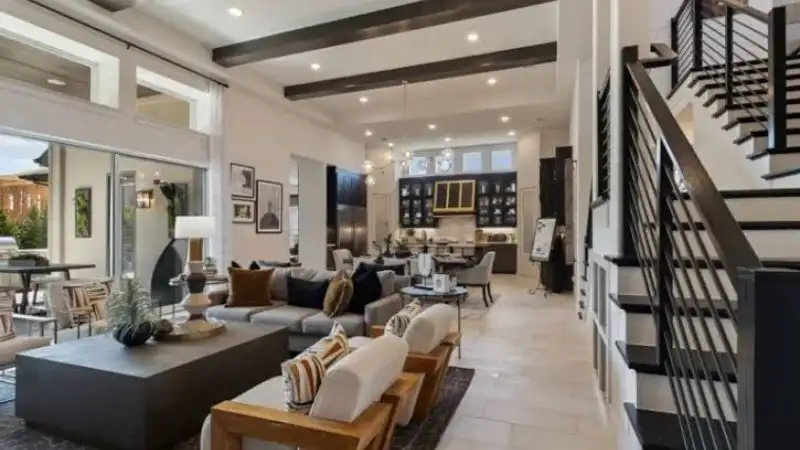
Improving your home does not always mean planning a major renovation. Sometimes, the most valuable changes come from simple upgrades that make daily life more comfortable, efficient, and convenient.
Whether you own an older property or simply want to refresh your current space, home upgrades mintpalment can help you think about improvements in a more practical way. The goal is not to spend money on every new trend. Instead, focus on changes that solve real problems, improve the way your home works, and provide lasting value.
This guide explores smart home improvement ideas, how to prioritize projects, where to invest your budget, and which upgrades can make the biggest difference.
What Are Smart Home Upgrades?
Smart home upgrades are improvements that make a property more functional, comfortable, efficient, or attractive. They can range from small changes, such as replacing outdated light fixtures, to larger projects like improving insulation or updating a kitchen.
A useful upgrade should have a clear purpose.
For example, replacing an old thermostat with a programmable or smart model may make temperature control easier. Adding better lighting can improve both comfort and functionality. Sealing drafts around doors and windows can make rooms feel more comfortable while reducing unwanted air movement.
The best home upgrades mintpalment approach starts with your home’s actual needs rather than copying someone else’s renovation.
Start With a Home Improvement Assessment
Before buying materials or contacting contractors, walk through your home and identify areas that need attention.
Look for:
- Drafty windows and doors
- Poor lighting
- Outdated electrical fixtures
- Leaking faucets or pipes
- Damaged flooring
- Insufficient storage
- Worn kitchen surfaces
- Bathroom ventilation problems
- Poor insulation
- Old or inefficient appliances
Make a simple list and separate problems from cosmetic preferences.
A leaking pipe, damaged electrical outlet, or water-damaged ceiling deserves attention before a decorative wall makeover. This approach helps prevent you from spending your budget on appearance while important maintenance issues remain unresolved.
Improve Energy Efficiency
Energy efficiency is one of the most practical areas for home improvement. You do not necessarily need expensive technology to make progress.
Start with basic measures such as sealing air leaks, improving insulation where appropriate, and using energy-efficient lighting. Energy-efficient appliances can also reduce electricity use over time, although the actual savings depend on the appliance, usage patterns, and local energy rates.
Windows can also affect comfort. If replacing them is outside your budget, inspect existing frames for drafts and make sure seals remain in good condition.
Another simple improvement is using LED lighting. LEDs generally use less electricity and last longer than traditional incandescent bulbs, making them a practical choice for frequently used rooms.
When planning home upgrades mintpalment, consider the long-term operating cost of an improvement rather than looking only at its purchase price.
Upgrade Your Kitchen Without a Major Renovation
Kitchen renovations can become expensive quickly. Fortunately, you can create a noticeable improvement without replacing every cabinet and appliance.
Consider:
- Updating cabinet handles
- Replacing outdated lighting
- Adding a backsplash
- Repainting suitable cabinets
- Installing better drawer organizers
- Replacing worn countertops
- Improving pantry storage
For example, a poorly organized kitchen may feel cramped even when it has plenty of storage. Adding pull-out organizers or dedicated spaces for frequently used items can make cooking much easier.
If cabinets remain structurally sound, replacing them may not make financial sense. A targeted refresh can deliver a new look while preserving usable components.
Make Bathrooms More Comfortable
Bathrooms benefit from upgrades that combine appearance with function.
Better ventilation should be a priority because excessive moisture can contribute to condensation and other building problems. Check that exhaust fans operate correctly and vent appropriately.
You can also consider replacing outdated fixtures, improving storage, upgrading lighting, or refreshing damaged sealant around sinks and showers.
Small details matter here. A well-positioned mirror, brighter lighting, and extra storage can make your bathroom more functional and comfortable without a major renovation. a complete renovation.
For larger bathroom projects, deal with plumbing and waterproofing concerns before focusing on decorative finishes.
Create Better Lighting
Lighting often receives less attention than flooring or paint, yet it can dramatically change how a room feels.
A useful lighting plan combines different types of lighting depending on the room.
Ambient lighting provides general illumination.
Task lighting helps with activities such as cooking, reading, or working.
Accent lighting draws attention to architectural features or decorative elements.
For example, a kitchen may benefit from ceiling lighting combined with under-cabinet lights. A home office may need focused desk lighting in addition to general room illumination.
If a room feels dark, adding more decorative lamps may not solve the problem. Think about where light is needed and what activities take place there.
Upgrade Storage and Organization
More storage does not always require building an entirely new room.
Look for unused spaces first. The area beneath stairs, the back of cabinet doors, corners, and vertical wall space can often provide additional storage opportunities.
Simple solutions include:
- Floating shelves
- Built-in organizers
- Closet systems
- Drawer dividers
- Over-door storage
- Garage shelving
These improvements can be especially useful in smaller homes where every square foot matters.
A good storage upgrade should make frequently used items easier to find rather than simply giving you more places to hide clutter.
Improve Outdoor Living Areas
Your home’s useful space does not end at the front door.
A neglected patio, balcony, yard, or entrance can often become a valuable extension of your living area with relatively modest improvements.
Depending on your property, you could add outdoor lighting, repair the deck, create comfortable seating, or design a small garden area. Refresh the entrance.
Keep maintenance in mind when choosing outdoor materials. A beautiful feature that requires constant upkeep may become frustrating over time.
Choose Upgrades Based on Your Budget
One of the biggest mistakes homeowners make is starting several projects without calculating the total cost.
Create a project budget that includes materials, labor, permits where required, delivery fees, and a contingency amount for unexpected issues.
It also helps to divide projects into three groups:
Essential: Repairs or safety-related work that should not wait.
High-value: Improvements that significantly improve comfort, efficiency, usability, or property appeal.
Optional: Decorative changes that can wait until the essentials are complete.
This simple system can keep a renovation from becoming financially overwhelming.
When Should You Hire a Professional?
Some improvements are suitable for careful DIY work, while others require qualified professionals.
Painting, basic shelving, and certain decorative projects may be manageable for an experienced homeowner. Electrical, structural, major plumbing, gas-related, roofing, and other specialized work can involve significant safety risks and may require professional expertise or permits depending on local rules.
Do not choose a contractor based solely on the lowest quote. Ask about relevant experience, insurance, references, written estimates, and the exact scope of work.
A detailed agreement can reduce misunderstandings about materials, deadlines, payment schedules, and responsibilities.
Avoid Trend-Driven Renovation Mistakes
Home improvement trends can be inspiring, but trends should not control your entire renovation.
A design may look impressive online but work poorly in your particular home. Before committing to a fashionable feature, ask whether it fits your lifestyle, maintenance expectations, budget, and the property’s overall design.
For example, an expensive decorative feature may look attractive but provide little practical benefit. Meanwhile, improving insulation, storage, lighting, or ventilation may have a much greater effect on everyday life.
The smartest home upgrades mintpalment projects balance style with function.
Think About Long-Term Value
A successful home improvement should continue to make sense several years after installation.
Consider durability, maintenance, energy use, repair requirements, and how the upgrade affects everyday routines.
If you plan to sell your property later, neutral and functional improvements may appeal to a broader range of buyers. However, you should not assume every renovation will return its full cost when you sell.
Your personal enjoyment matters too.
A comfortable home that works better for your family can provide value even when an improvement does not produce a direct financial return.
Final Thoughts
The best home upgrades mintpalment strategy is not about making the most changes possible. It is about making the right changes in the right order.
Start with repairs and safety issues. Then focus on improvements that increase comfort, efficiency, storage, and functionality. Once those priorities are handled, you can spend more of your budget on design and personal style.
Whether you are making a few affordable changes or planning a larger renovation, thoughtful decisions can transform the way your home looks and feels. The smartest improvement is usually the one that solves a real problem while continuing to provide value long after the project is finished. For more information, visit our website.